When people talk about improving their health, they usually think about eating better, exercising more, or losing a bit of weight. What often gets overlooked is why weight gain and stubborn belly fat show up in the first place. A major driver is insulin resistance—and it’s far more common than most people realize.
Insulin resistance is the foundation of prediabetes and type 2 diabetes. In Canada, about 1 in 3 are living with diabetes or prediabetes, and 80–90% of people with prediabetes don’t know it.
When insulin resistance develops, the body needs more and more insulin to keep blood sugar under control. High insulin doesn’t just affect glucose—it also promotes fat storage, especially around the abdomen. That’s why many people struggle with weight gain despite eating “reasonably well.” Over time, the risk of serious complications like blindness, kidney failure, strokes, and heart attacks increases. It’s widely considered a chronic, progressive condition unless caught early.
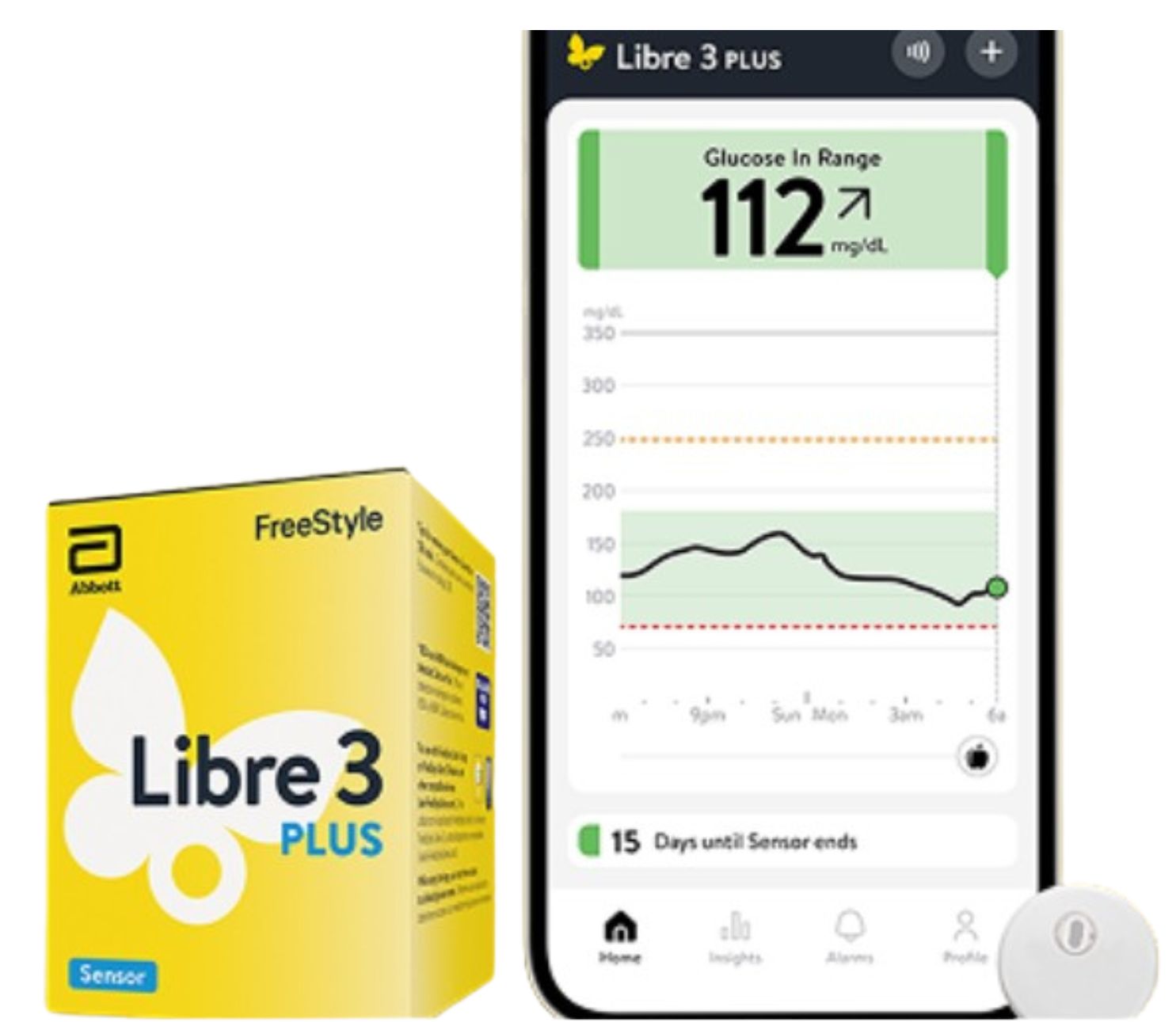
That’s where the FreeStyle Libre 3 continuous glucose monitor becomes a game changer. About the size of a penny, it’s worn on the back of the arm and sends glucose readings to your phone every minute. Instead of guessing how your body is responding to food and lifestyle choices, you can see it.
One surprise for many users is discovering that some “healthy” foods cause large glucose spikes. A smoothie, oatmeal, brown rice, or whole-grain bread might look great on paper, but the Libre 3 shows what actually happens after you eat them. Seeing a sharp spike—and how long it stays elevated—often leads people to choose foods more wisely, not by eliminating carbs entirely, but by understanding which ones their body tolerates best.
Many people notice a lower glucose spike when they eat vegetables and protein first, followed by carbohydrates. For example, starting a meal with salad and chicken before eating potatoes often results in a flatter glucose curve compared to eating the carbs first. Going for a 15-minute walk afterward can flatten it further. Seeing that difference on your phone reinforces habits that improve blood sugar control almost immediately. When post-meal spikes shrink, cravings decrease, and belly fat slowly starts to come off.
The GMI (Glucose Management Indicator) estimates your A1C based on your average glucose. An A1C of 6.0–6.4% indicates prediabetes, while > 6.5% indicates diabetes. Watching your GMI trend downward can be highly motivating, and you don’t have to wait 3 months between doctor’s appointments.
Different foods, stress levels, sleep, and exercise affect everyone differently. This kind of self-monitoring helps you discover what works for your body, not someone else’s. It’s a powerful tool for anyone who wants to improve insulin sensitivity and take control of their long-term health—one reading at a time.
To learn more, attend my upcoming Insulin Resistance/Diabetes seminar on Jan 29th.
Lyle Sunada is a compounding pharmacist and NAMS Certified Menopause Practitioner specializing in hormone balancing and alternative medicine at Cloverdale Pharmasave. Everything mentioned in the article is available In-Store.