For decades, depression and anxiety were often explained as simple “chemical imbalances” caused by low levels of neurotransmitters such as serotonin. While these brain chemicals remain important, research over the past two decades has revealed a much more complex picture. Today, the growing field of nutritional psychiatry asks a different question: Instead of asking, “How do we increase serotonin?” it asks, “What does the brain need to thrive?”
The brain may represent only 2% of our body weight, but it consumes approximately 20% of our body’s energy. Every thought, memory and emotion depends on healthy brain cells producing energy, communicating with one another and adapting to life’s challenges. Rather than focusing on a single neurotransmitter, researchers are increasingly asking why serotonin signalling may have become impaired in the first place. For some individuals, contributing factors may include chronic inflammation, nutrient deficiencies, impaired mitochondrial function, poor sleep, and chronic stress. These factors do not explain every case of depression or anxiety, but they remind us that mental health is closely linked to the overall health of the brain and body.
The foundation of nutritional psychiatry begins with a nutrient-dense, brain-healthy diet. A Mediterranean-style eating pattern rich in vegetables, fruit, legumes, nuts, seafood, olive oil and quality protein provides compounds the brain depends on. Regular exercise, restorative sleep, meaningful social connections and counselling are equally important, as each has been shown to improve brain function and build emotional resilience.
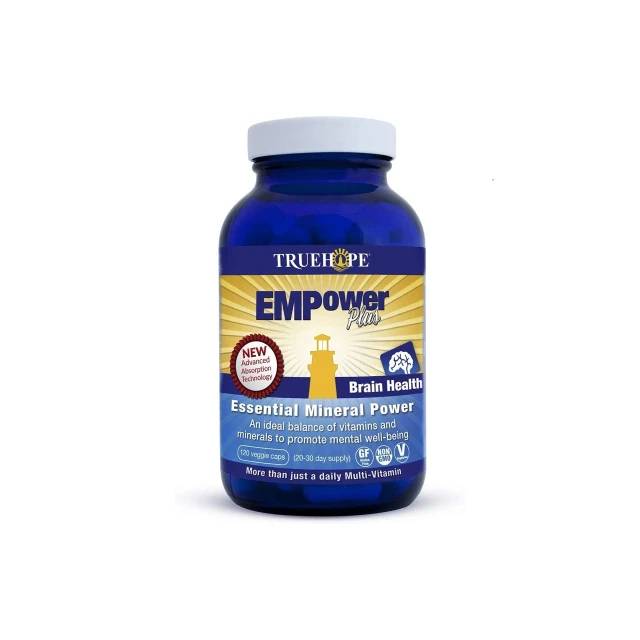
For some individuals, nutritional supplements may provide additional support. One of the most extensively studied broad-spectrum micronutrient formulas is EMPowerplus®, developed by TrueHope. Unlike a standard multivitamin, EMPowerplus provides a comprehensive blend of vitamins and minerals that support hundreds of enzyme reactions involved in cellular energy production, neurotransmitter synthesis, methylation and antioxidant protection. While larger clinical trials are still needed, research suggests broad-spectrum micronutrients may help support mood and emotional regulation.
Another unique aspect of the TrueHope program is its Micronutrient Support Service, which provides ongoing coaching, symptom tracking and encouragement for individuals using EMPowerplus. For those hoping to optimize their mental health or, under the guidance of their practitioner, gradually reduce psychiatric medications, this additional support may be valuable. Nutritional coaching should complement—not replace—the care of a practitioner and medication changes should always be made under appropriate medical supervision.
Other nutrients are also generating considerable interest. EPA-rich Omega-3 fatty acids have the strongest evidence among nutritional supplements for supporting mood, likely through their anti-inflammatory and cell-signalling effects. Creatine and coenzyme Q10 (CoQ10) are exciting emerging areas of research because they support the production and buffering of ATP—the energy currency that powers every brain cell.
By combining a nutrient-rich diet, regular exercise, quality sleep, counselling and, when appropriate, targeted nutritional supplementation, nutritional psychiatry encourages us to move beyond simply treating symptoms but toward supporting the resilience and vitality of the brain itself.
Lyle Sunada is a NAMS Certified Menopause Practitioner and pharmacist at Cloverdale Pharmasave with special interests in hormone balancing, natural and integrative medicine.